
Quick answer
After a bad game, give your child time and space before talking about it. Start with something simple and warm, such as "I loved watching you play", and let them decide whether they want to talk. When they do, listen more than you speak, ask open questions and focus on effort and what they can control, not the score or mistakes. Leave tactical feedback to the coach. A day or two later, if they want to, help them pick one small thing to work on, for example 10 minutes of push passes against a wall.
Key takeaways
- Wait before you analyse. Emotions are high right after a game.
- Your first words should be about your child, not the performance.
- Ask open questions and listen; don't rush to fix things.
- Praise effort, attitude and choices they control.
- Let the coach coach. Your job is support.
- If they want to improve, help them choose one small, specific goal.
Right after the game
The walk to the car and the drive home are where many parents say too much. Your child already knows the game went badly. They need to know your support does not depend on the result.
- Say something warm and simple: "I love watching you play." "Hungry?" "Good to see you."
- Avoid instant analysis: no replay of mistakes, no comments on the umpire or teammates.
- Read the mood: some kids want to talk at once, others need silence. Both are normal.
- Body language matters: a sigh or a shake of the head says as much as words.
When they are ready to talk
Let your child bring it up. When they do, use open questions that let them think rather than defend themselves.
| Instead of… | Try… |
|---|---|
| "Why did you miss that shot?" | "What was the game like for you?" |
| "You should have passed." | "What were you seeing out there?" |
| "The coach played you in the wrong position." | "What did the coach ask you to do?" |
| "You'll do better next time." | "What was one thing that went OK?" |
Listen to the answer without correcting it. If they are upset, saying "That sounds really frustrating" often helps more than advice.
What to focus on
Things your child controls
- Effort and work rate
- Attitude after mistakes
- Being a good teammate
- Preparation: sleep, food, packing their own bag
Things they do not control
- The score, the umpire, the opposition
- Playing time and position
- The weather and the pitch
Praise the first list. Let the second one go.
Leave the coaching to the coach
Children can get confused when parents give different instructions from the coach. If your child has questions about their role or playing time, encourage them to ask the coach themselves, especially from around age 12. In US high school field hockey and in many European clubs, coaches expect players to have these conversations directly. If you have a real concern, contact the coach calmly at another time, not straight after the game.
Turning it into a next step
A day or two later, if your child wants to improve, help them choose one small goal. Keep it specific and short:
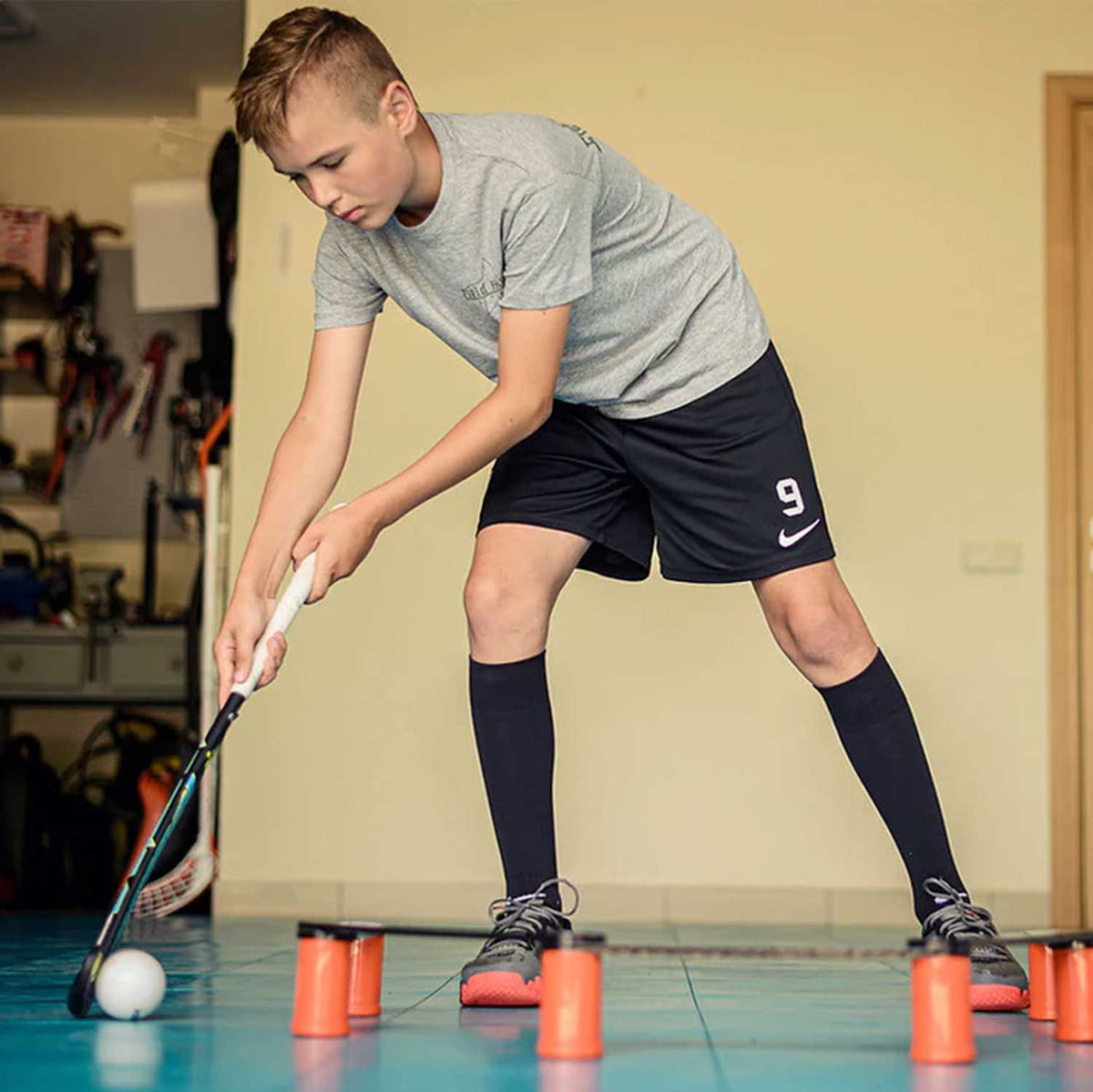
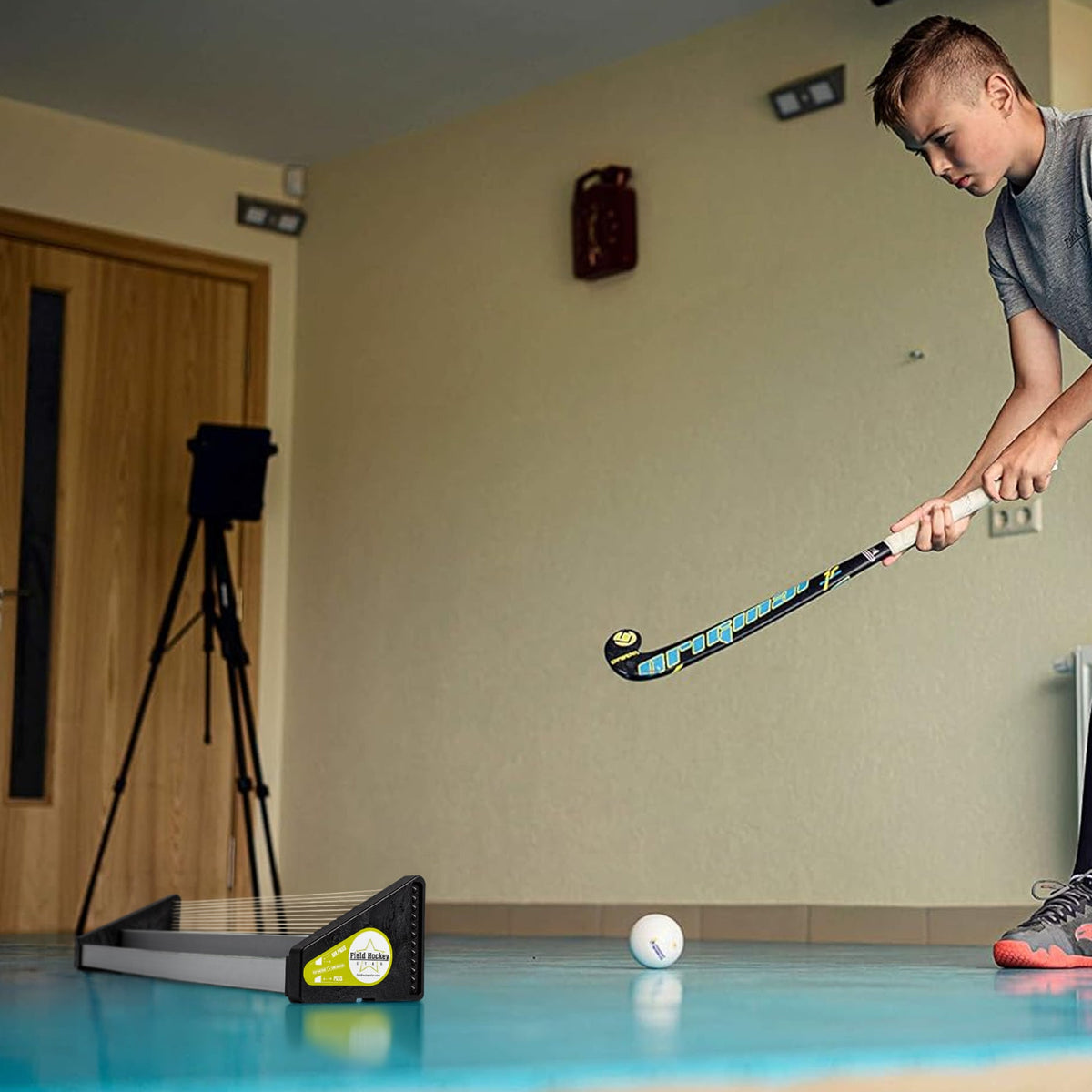
- Receiving: 10 minutes of push passes and receives against a wall, 3 times this week.
- Ball control: 5 minutes of Indian dribble every day before school.
- Confidence: write down one thing that went well after each practice.
Practice at home is a way to feel prepared, not a punishment for a bad game. If home practice starts to feel like a consequence, take a break from it.
Signs to look out for
A bad game is part of sport. But if your child keeps losing sleep, avoids practice, talks about quitting after every game or seems very anxious, talk with them calmly, and with the coach. If worries continue, a doctor or a qualified professional can help.
FAQ
What should I say to my child after a bad field hockey game?
Start with something warm that is not about performance, such as "I love watching you play". Then let your child decide if and when they want to talk about the game.
Should I talk about the game on the drive home?
Only if your child brings it up. Many kids need time to calm down before they can talk about a game in a useful way.
Should I give my child tips on what they did wrong?
Leave tactical feedback to the coach. Your role is to listen, support and help them focus on things they can control.
How can I help my child improve after a bad game?
Wait a day or two, then help them choose one small, specific goal, such as 10 minutes of passing against a wall three times a week.
When should I worry?
If your child often loses sleep, avoids practice or seems very anxious about games, talk with them and the coach, and ask for professional help if it continues.